🧪 What Is an HSG?
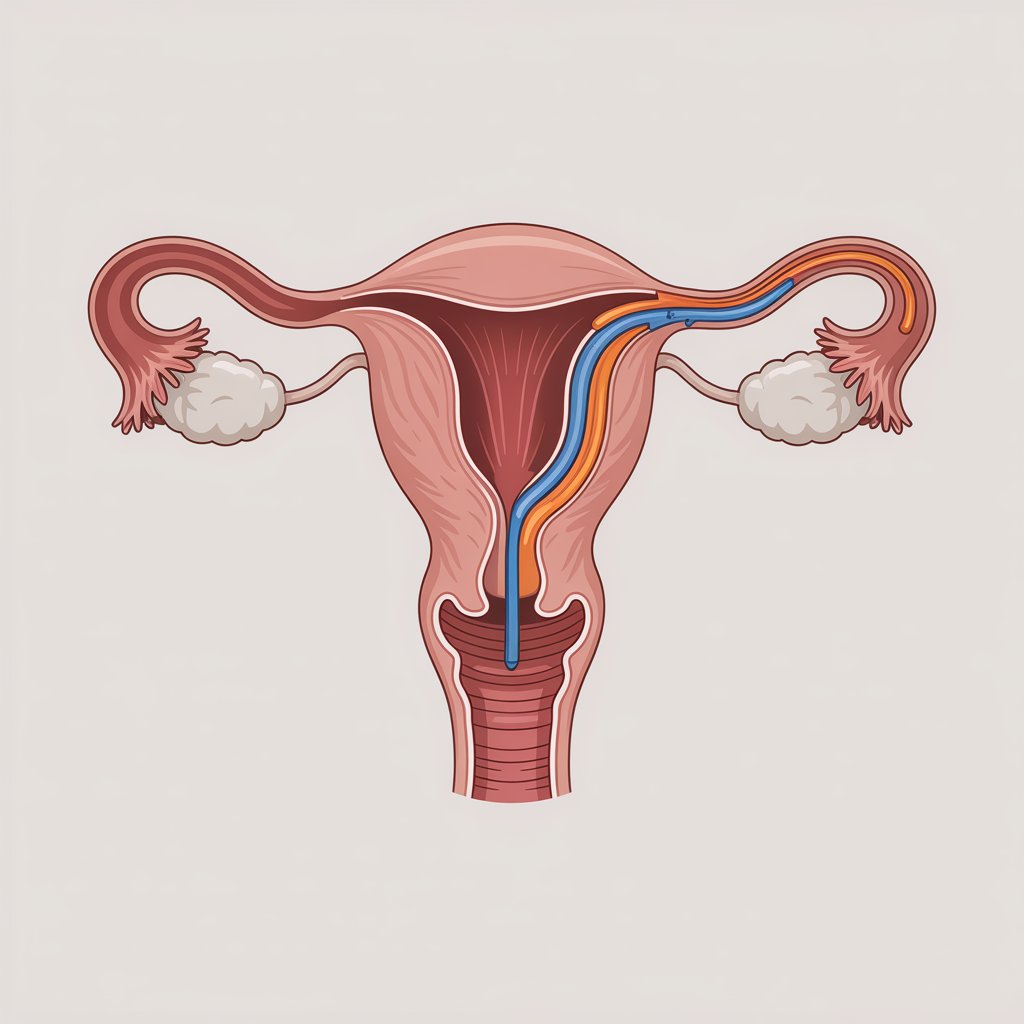
The HSG (hysterosalpingogram) is a specialized X-ray used to examine the uterus and fallopian tubes.
It helps fertility specialists:
- Identify uterine abnormalities
- Determine whether your fallopian tubes are open
This test plays a key role in diagnosing possible causes of infertility.

❗ Why the HSG Test Matters
Healthy fallopian tubes are essential for natural conception.
They allow:
- The sperm and egg to meet
- The fertilized egg to travel into the uterus
If a tube is blocked, pregnancy may not occur. The HSG helps detect:
- Blocked tubes
- Uterine fibroids
- Polyps or scar tissue
- Structural anomalies
🗓️ What to Expect During the Procedure
Here’s what typically happens:
- Scheduling
- Done between days 6–11 of your cycle (after your period, before ovulation)
- Preparation
- You may be given antibiotics or pain meds
- Avoid intercourse before the test
- Procedure
- Done in a radiology unit or fertility clinic
- A speculum is inserted
- A catheter injects contrast dye into your uterus
- X-ray images capture how the dye flows through your tubes
⏱️ The entire process takes 10–15 minutes
🤕 You may feel mild cramping, similar to menstrual pain
📊 Interpreting the Results
- ✅ Normal
Dye flows freely through both tubes into the abdomen
→ Tubes are open, uterus is normal - ❌ Blocked Tube(s)
Dye does not pass through
→ Suggests a blockage or scarring - ⚠️ Uterine Abnormalities
Dye reveals polyps, fibroids, adhesions, or shape issues
→ May need further investigation

⚖️ Pros and Cons of the HSG
✅ Pros:
- Quick and minimally invasive
- Can improve short-term fertility by flushing tubes
- Provides clear diagnostic information
❌ Cons:
- Mild discomfort or cramping
- Rare risks: infection or allergic reaction to dye
- May miss subtle conditions like endometriosis
🔄 What Comes Next?
Depending on your results:
- Blocked tubes → You may need further testing (e.g. laparoscopy) or consider IVF
- Normal results → Tubal factor infertility is less likely; next steps may include ovulation support or IUI

🩺 Expert Insight
“The HSG is one of the first tools we use to identify why conception isn’t happening naturally. It’s simple, informative, and often a gateway to clarity.”
— Dr. Efua Mensah, Reproductive Endocrinologist
🌼 Final Thoughts
An HSG may sound intimidating, but it’s quick, insightful, and often empowering.
It brings clarity to your fertility journey—whether it confirms open tubes or uncovers a hidden challenge.
Knowledge leads to action—and action leads to hope.