🔍 Introduction
ICSI—short for Intracytoplasmic Sperm Injection—has changed the game in assisted reproduction.
It’s especially valuable for couples dealing with male factor infertility.
But how does ICSI actually work? And is it the right choice for your fertility journey?
🧬 What is ICSI?
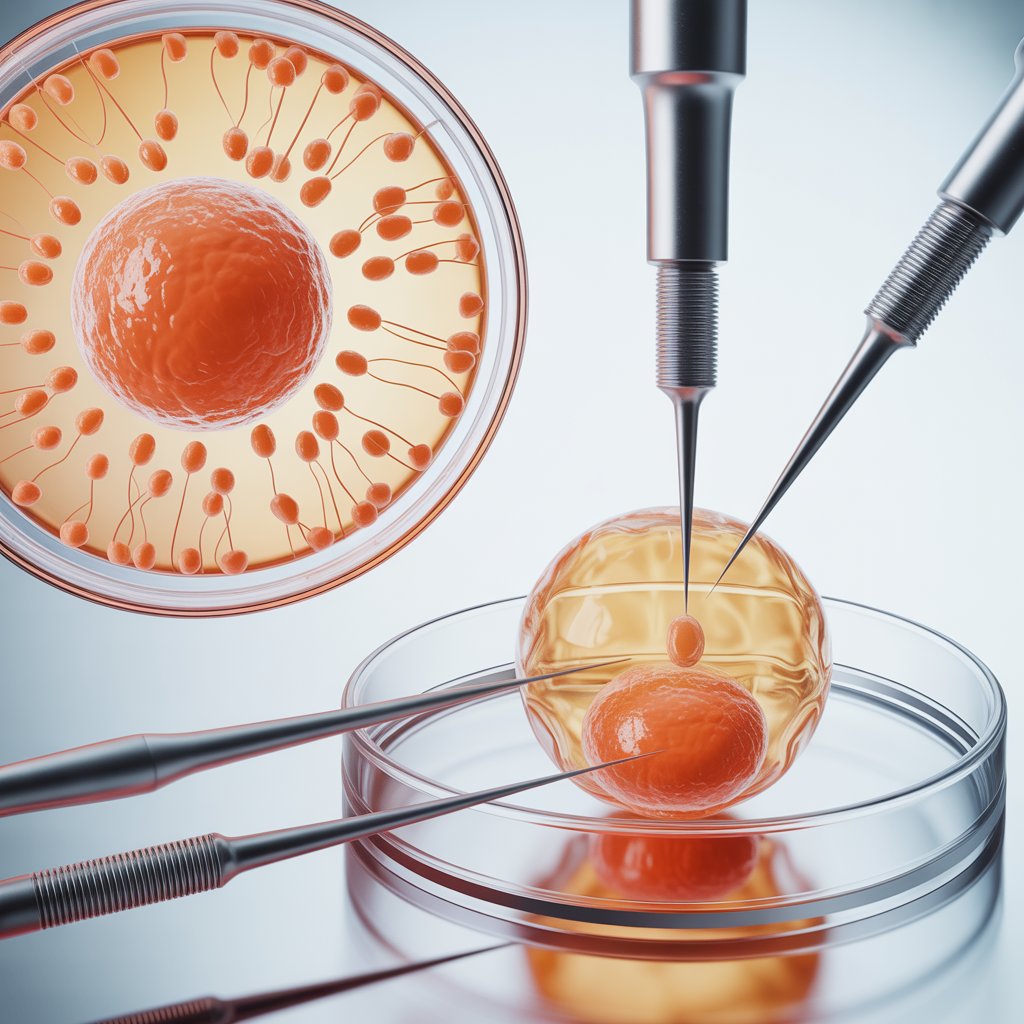
ICSI is a technique used during IVF where a single sperm is injected directly into a mature egg.
It bypasses natural fertilization barriers—like poor motility or abnormal sperm shape—that might prevent sperm from penetrating the egg on its own.
🧑⚕️ When is ICSI Recommended?
Doctors often recommend ICSI in specific situations, such as:
- Very low sperm count or poor motility
- High sperm DNA fragmentation
- Prior IVF cycles with failed fertilization
- Use of frozen or surgically retrieved sperm (e.g., PESA/TESA)
📈 Success Rates with ICSI
While ICSI can achieve fertilization in 70–80% of eggs, remember that pregnancy success depends on:
- Egg quality
- Embryo development
- Endometrial receptivity
- Lab conditions
- Your age and health
In skilled labs, ICSI boosts chances—but it’s not a guarantee.
🔬 ICSI vs. Conventional IVF
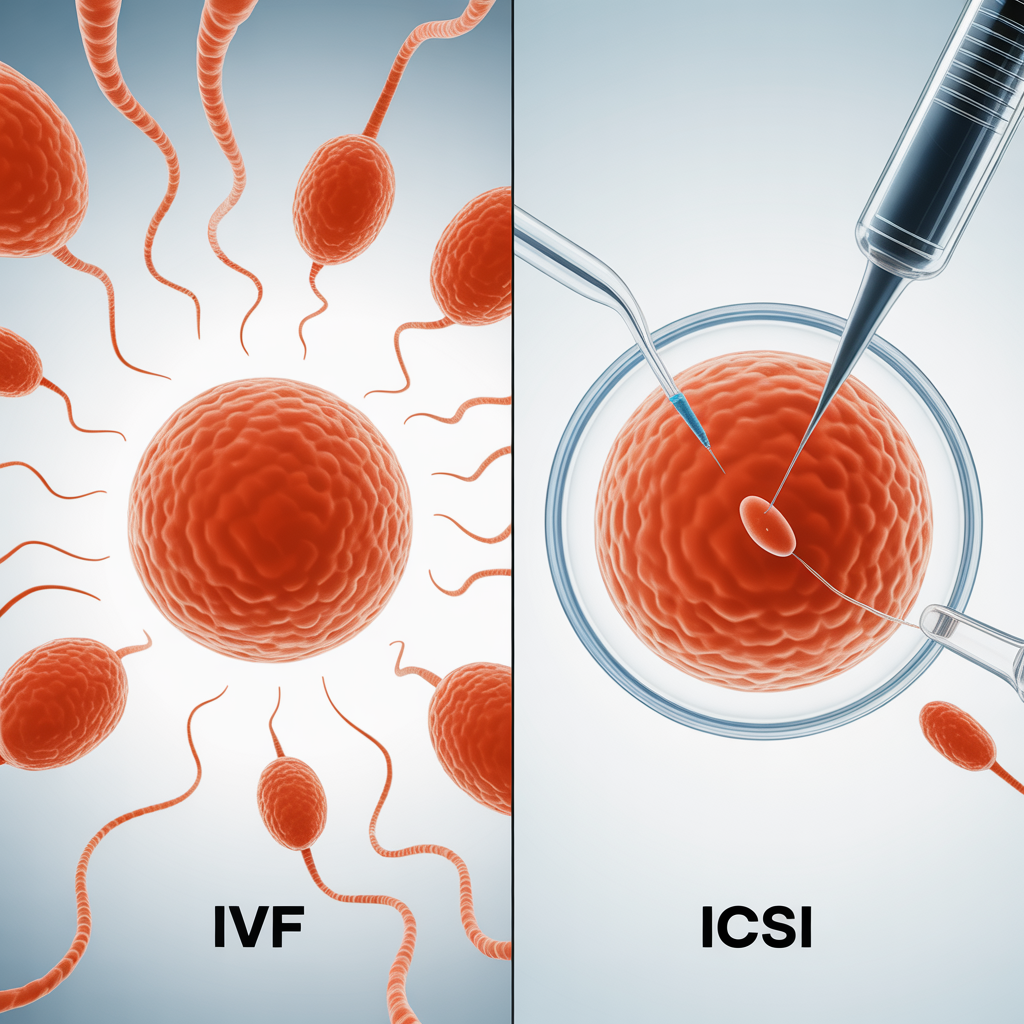
In conventional IVF, thousands of sperm are placed around the egg in a dish.
With ICSI, a trained embryologist selects a single sperm and injects it directly into the egg.
Key difference: ICSI is more precise, ideal for specific sperm-related issues—but not necessary in every IVF case.
⚠️ Risks and Considerations
ICSI is widely regarded as safe and used globally. However, some studies suggest a slightly increased risk of genetic or developmental issues, particularly in cases where the underlying sperm issues are severe.
Always consult with your fertility doctor or embryologist to weigh the risks and benefits for your specific case.
🌟 Conclusion
ICSI offers renewed hope for couples facing fertilization challenges.
When applied in the right scenarios—and under expert care—it can open doors that once seemed closed.
If you’re considering IVF, ask your clinic whether ICSI may be a fit for your fertility goals.