🔍 Introduction
Understanding when you ovulate can significantly boost your chances of conception.
Whether you’re trying naturally or preparing for fertility treatment, knowing your fertile window makes a big difference.
Here’s how to track ovulation accurately—naturally or with medical support.
❓ Why Track Ovulation?
You’re most fertile during the 5-day window before and during ovulation.
- Sperm can live up to 5 days
- The egg survives about 12–24 hours
Well-timed intercourse or insemination is key. That’s why tracking ovulation turns “trying” into strategy.
🌡️ Basal Body Temperature (BBT)
- Track your temperature first thing each morning
- A slight rise (about 0.5°F or 0.3°C) typically means ovulation just occurred
- Best used over a few months to spot patterns
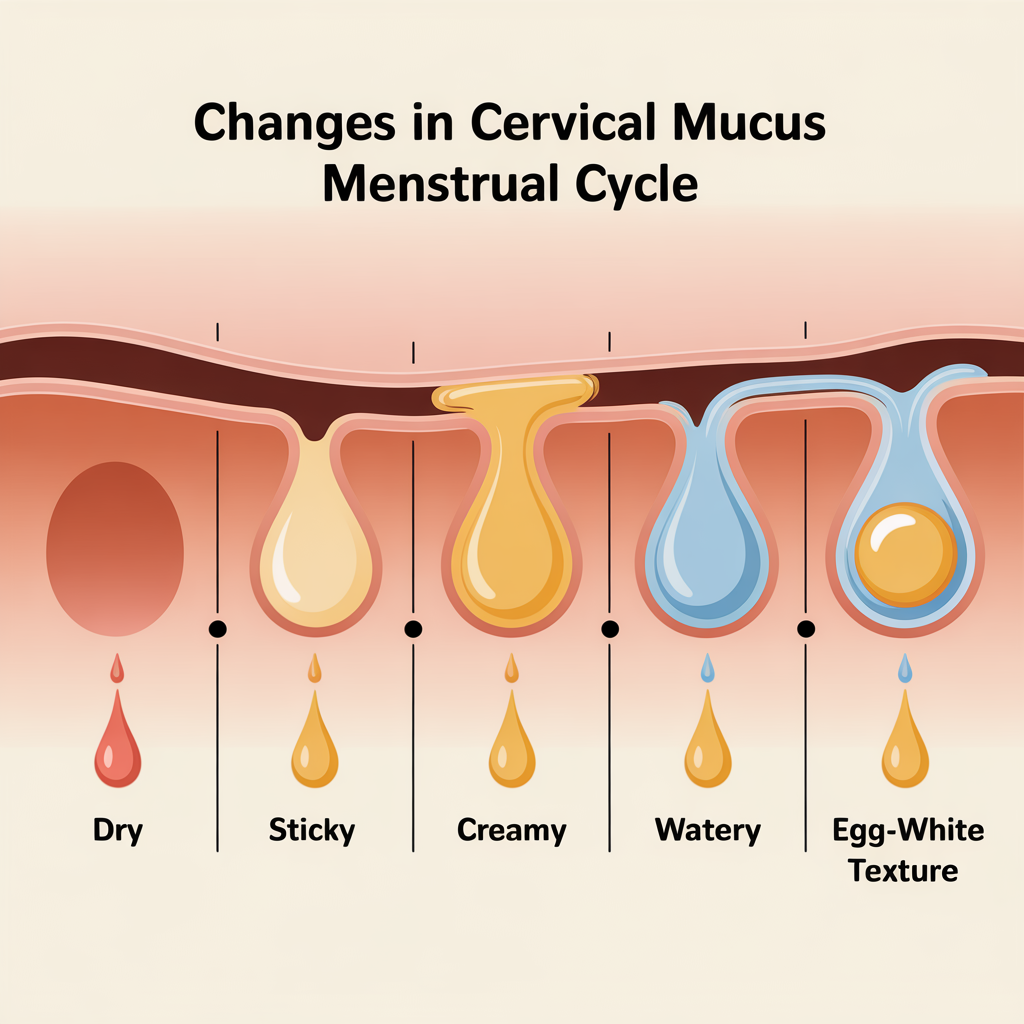
💧 Cervical Mucus Observation
- As ovulation nears, cervical mucus becomes:
- Clear
- Stretchy
- Slippery—like raw egg whites
This change signals peak fertility and is one of the most reliable natural signs.
🧪 Ovulation Predictor Kits (OPKs)
- Detect LH (luteinizing hormone) surges in urine
- Surge occurs 24–36 hours before ovulation
- Great for timing intercourse or IUI
OPKs offer more precision than symptoms alone, especially for women with irregular cycles.

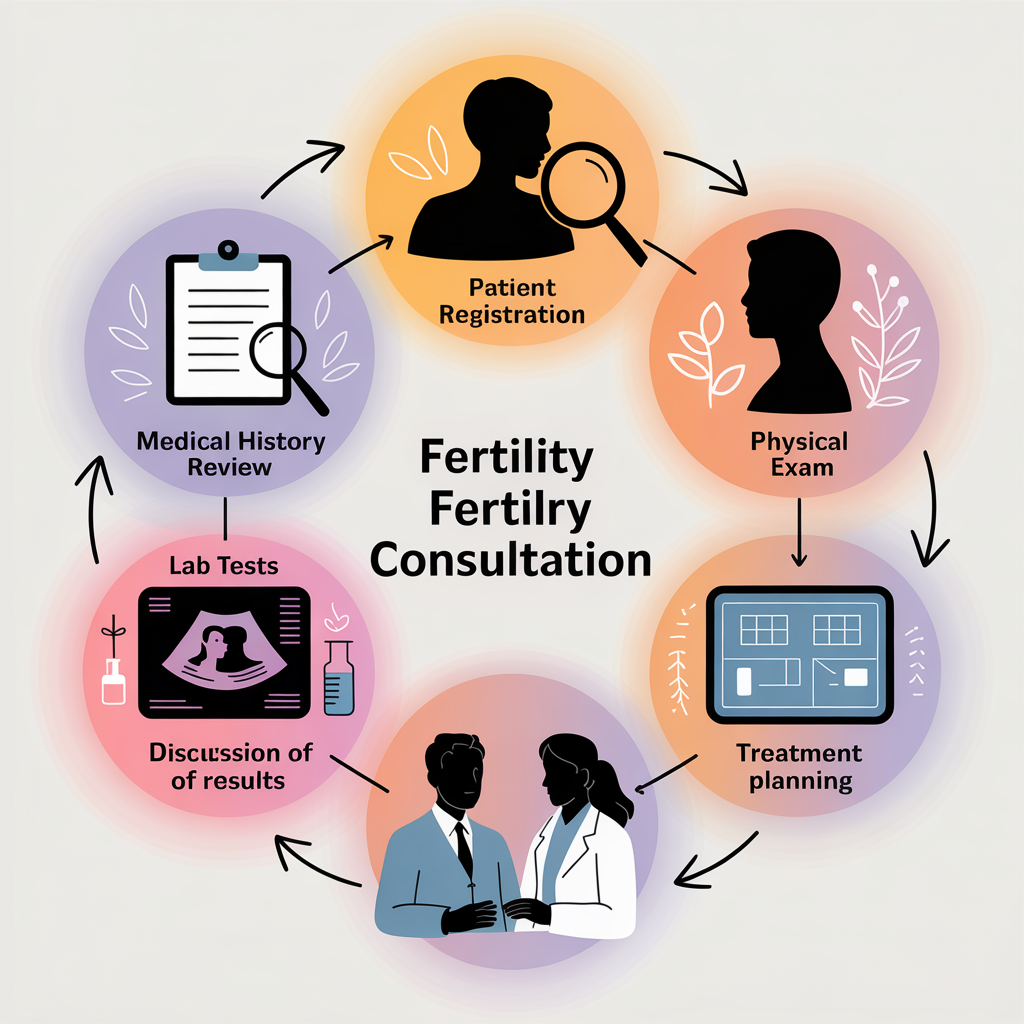
🏥 Ultrasound & Hormone Monitoring
In a fertility clinic, ovulation tracking becomes even more precise:
- Transvaginal ultrasound measures growing follicles
- Blood tests monitor LH, estradiol, and progesterone
This is essential for:
- Timed intercourse
- IUI or IVF
- Trigger shots to induce ovulation
🌼 Conclusion
Ovulation tracking empowers you with timing, confidence, and clarity.
Whether you use an app, observe natural signs, or rely on medical tools, knowing your ovulation pattern can turn guesswork into a fertility strategy.
You deserve to feel informed every step of the way.