🌱 Introduction
In fertility, most of the focus is often placed on the quality of the embryo. But there’s another equally critical player: the endometrium, or uterine lining.
A healthy, receptive endometrium is essential for embryo implantation, pregnancy maintenance, and a successful fertility outcome—yet it’s often overlooked.
🧬 What Is the Endometrium?
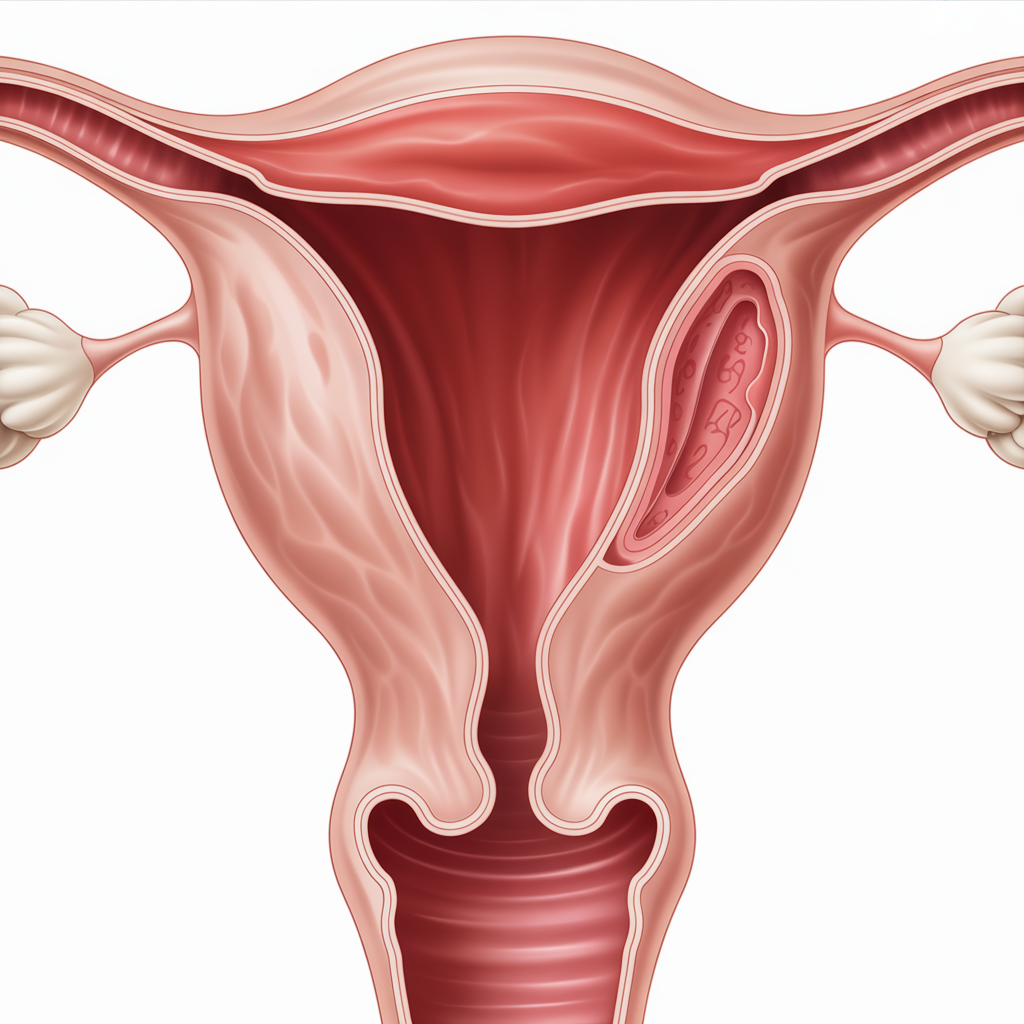
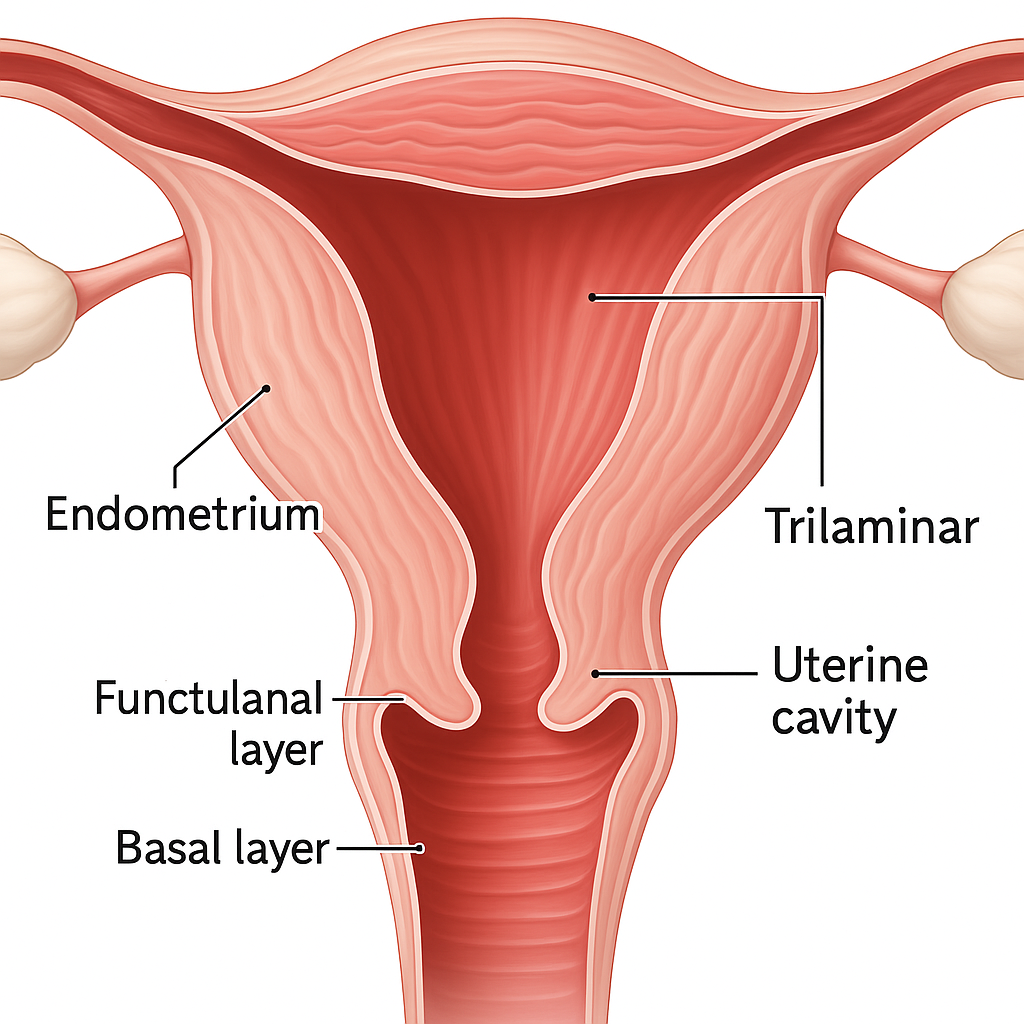
The endometrium is the inner lining of the uterus. It thickens each menstrual cycle in preparation for a possible pregnancy.
Its main job?
To provide a nourishing, receptive environment for a fertilized embryo to attach, grow, and thrive.
Without a receptive endometrium—even with a perfect embryo—implantation may fail.
🔍 Why Endometrial Receptivity Matters
During the “implantation window” (usually 5–10 days after ovulation), the endometrium must:
- Be thick enough (generally 7–12 mm is ideal)
- Show a trilaminar pattern on ultrasound
- Have adequate blood flow and hormone responsiveness
If the lining is too thin, inflamed, or hormonally unresponsive, the embryo may not implant—even in IVF cycles.

🧪 How Is the Endometrium Evaluated?
Fertility specialists assess the endometrium through:
- Transvaginal ultrasound: To measure thickness and appearance
- Doppler imaging: To assess blood flow
- Endometrial biopsy or ERA test: To examine cellular activity or personalized timing
- Hysteroscopy: To detect and treat physical abnormalities like polyps or adhesions
⚠️ Common Causes of a Non-Receptive Endometrium
- Thin lining due to hormonal imbalance or prior surgeries (e.g., D&C)
- Chronic endometritis (low-grade inflammation)
- Scar tissue (Asherman’s syndrome)
- Poor estrogen response
- Inadequate blood supply
💡 How to Improve Endometrial Health
Improving the endometrial lining may involve a combination of:
- Estrogen therapy: Oral, patch, or injectable forms
- PRP (Platelet-Rich Plasma) therapy: Injected into the uterus to promote regeneration
- G-CSF: A growth factor infusion to boost lining thickness
- Lifestyle changes: Improving sleep, reducing stress, eating an anti-inflammatory diet
- Supplements: L-arginine, Vitamin E, and CoQ10 (under medical advice)

🧠 Final Thoughts
A successful pregnancy is a balance between a healthy embryo and a receptive endometrium.
If you’ve experienced repeated implantation failure, it’s worth discussing endometrial health with your fertility team.
With proper evaluation and targeted therapies, many women are able to improve their lining and boost their chances of success.