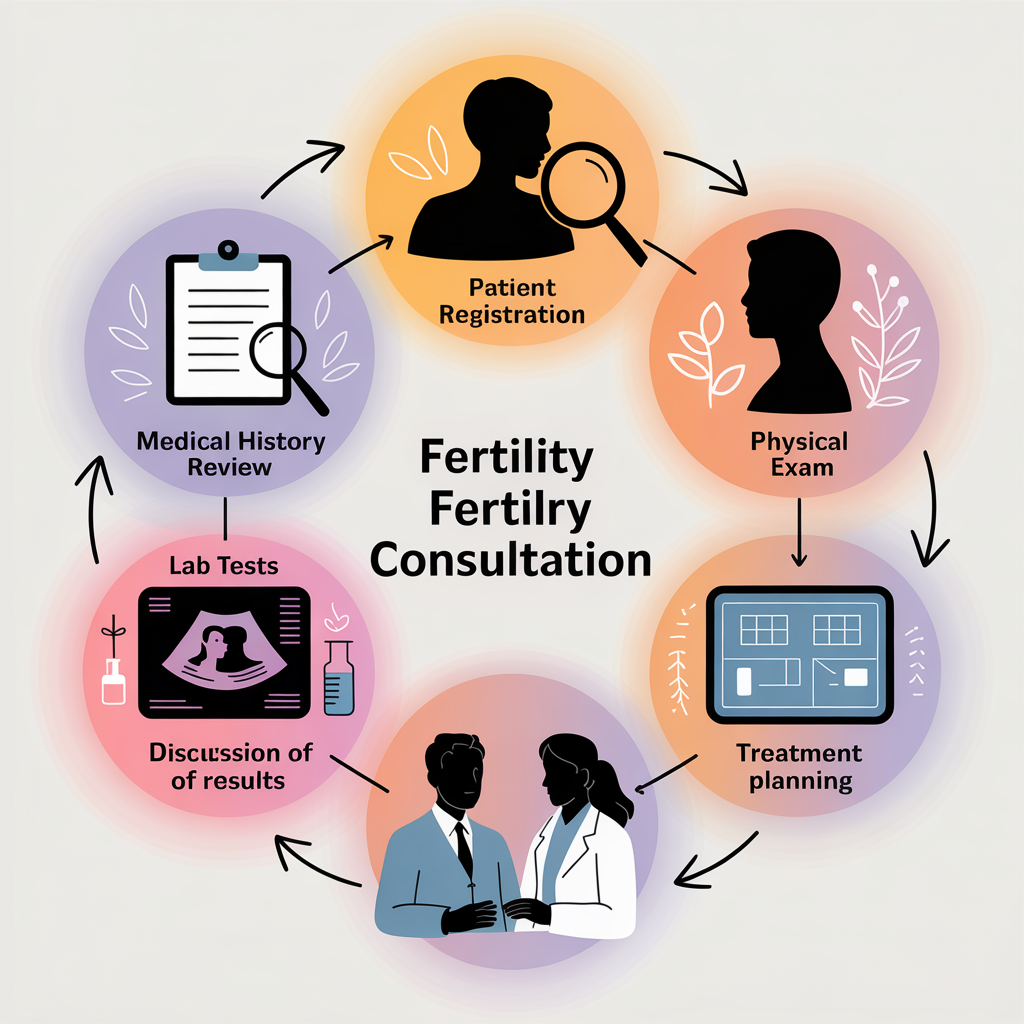
🧪 Introduction
Fertility challenges can feel like a mystery—but testing helps decode what’s happening beneath the surface.
These key tests are often part of a fertility workup and offer valuable insights into your ovarian reserve, hormone balance, and reproductive readiness.
🔍 1. AMH (Anti-Müllerian Hormone)
- Measures your ovarian reserve—how many potential eggs you have
- Higher AMH = more follicles
- Lower AMH may suggest diminishing egg supply
It’s a simple blood test that can be done any day of your cycle.

💡 2. FSH (Follicle-Stimulating Hormone)
- Measured on Day 2 or 3 of your cycle
- Indicates how hard your body is working to recruit eggs
- Higher FSH may mean lower ovarian reserve
This test is usually paired with estradiol to give a fuller picture.

🌸 3. Estradiol (E2)
- A form of estrogen, tested early in your cycle
- Helps assess egg development and ovarian function
- High estradiol with high FSH can sometimes mask a low ovarian reserve
Estradiol gives important context to FSH results.
🔬 4. Antral Follicle Count (AFC) via Ultrasound
- A transvaginal ultrasound that counts resting follicles
- Each visible follicle is a potential egg for that cycle
- Offers a visual estimate of your egg supply
It’s often done on Day 2–5 of your cycle.
📸 Suggested Image Here:
Ultrasound monitor showing ovaries with labeled follicles
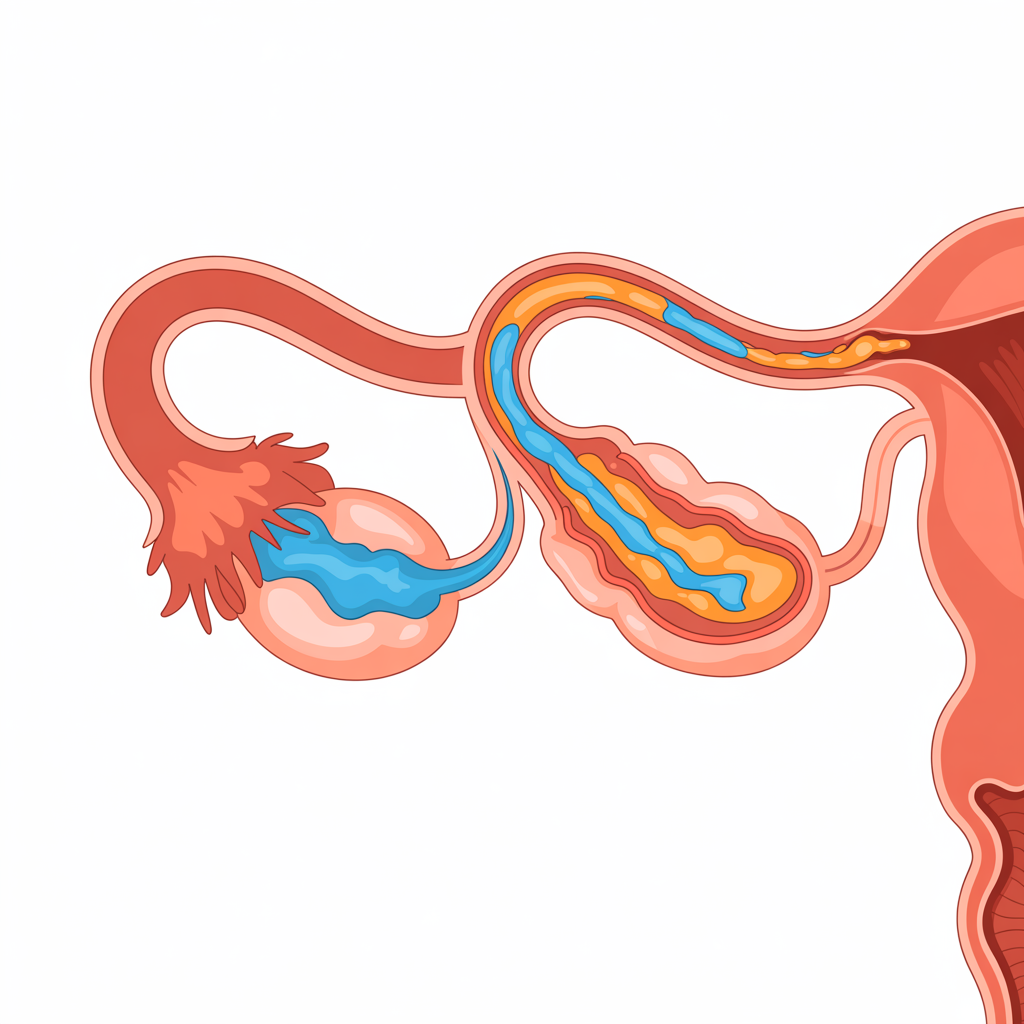
🧯 5. HSG (Hysterosalpingogram)
- A special X-ray with contrast dye
- Checks if fallopian tubes are open
- Also evaluates the shape of the uterus
It’s usually done after your period but before ovulation and may feel like a strong cramp for a few minutes.
🌱 Conclusion
Fertility testing gives you clarity—not conclusions.
These tests are not about defining your future—but about understanding your body today.
With the right information, your fertility journey becomes more focused, more supported, and more empowered.
Knowledge is power—and it’s the first step forward.