🎂 Introduction
Turning 35 is often called a “fertility milestone.”
Why? Because age impacts fertility—but it’s not the end of the road.
If you’re over 35, here’s what you need to know about what changes, what options you have, and why there’s still hope.
🔄 What Changes After 35?
After age 35, several key changes can affect fertility:
- Egg quantity and quality decline—reducing chances of conception.
- Miscarriage risk increases due to chromosomal abnormalities.
- Chances of spontaneous conception drop, especially after 40.
But remember: decline doesn’t mean disappearance.

🌟 But You Still Have Options
Fertility care has advanced—and women over 35 have more options than ever:
- IVF and ICSI to help with fertilization and implantation
- Egg freezing for women not ready to conceive
- PRP therapy for improving egg or uterine health
- Hormonal support to optimize ovulation
- Lifestyle changes like better nutrition, exercise, and stress management
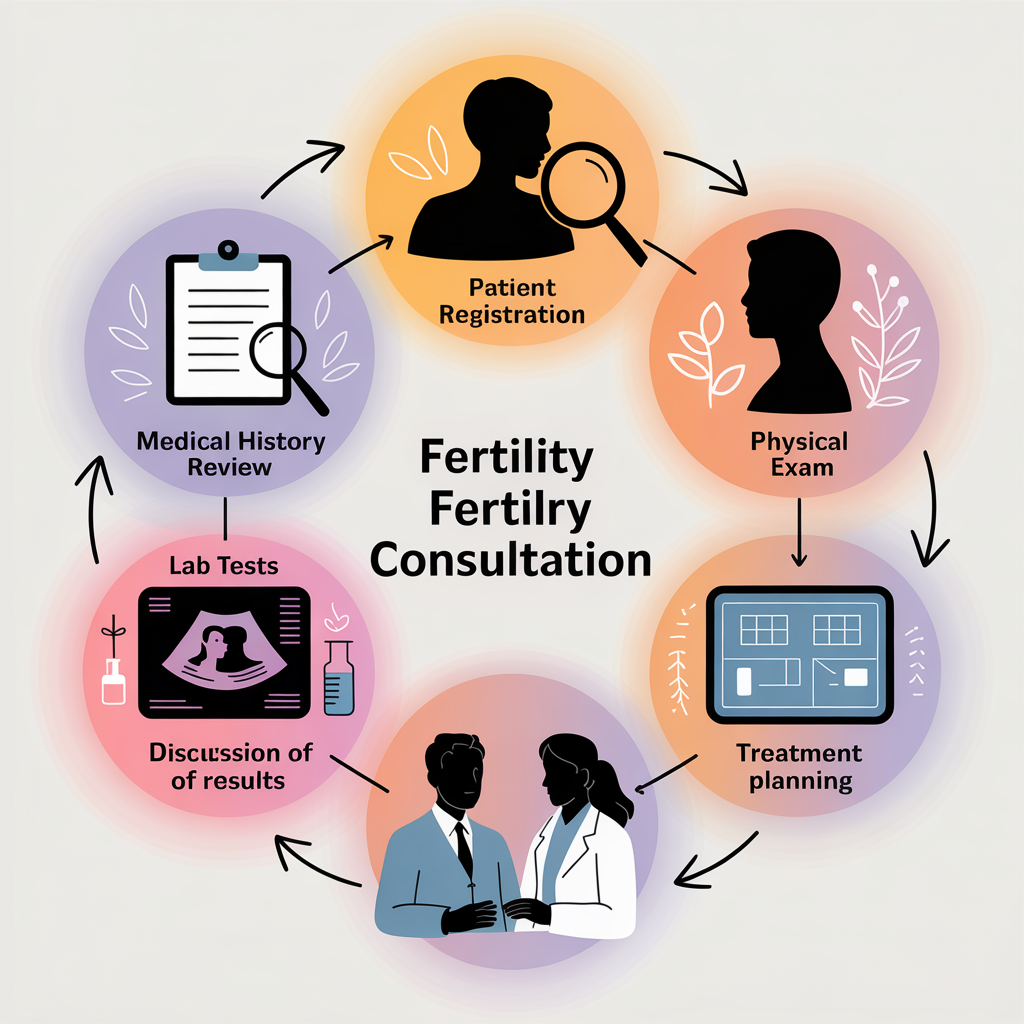
🩺 Testing is Key
Testing gives you a clear picture of your fertility status.
Three common tests include:
- AMH (Anti-Müllerian Hormone): Measures ovarian reserve
- FSH (Follicle-Stimulating Hormone): Indicates egg supply and ovary function
- Pelvic Ultrasound: Checks ovarian follicles and uterine health
Knowledge is power—and testing guides the best course of action.
💪 You’re Not Too Late
Many women conceive in their late 30s and early 40s—even after initial challenges.
The key is seeking timely support from experts who understand your unique needs.
Age is a factor, but not the final word in your fertility story.

🌼 Closing Thought
Your age does affect fertility, but with awareness, timely action, and expert care, hope remains strong.
At 35 and beyond, your journey isn’t over—it’s just beginning.
The right steps today can lead to the dream you’re working toward tomorrow.